How Forensic Evidence Strengthens Legal Arguments
Forensic evidence has revolutionized the way attorneys build and present legal arguments. It brings scientific integrity and objectivity that can decisively impact the outcome of civil and criminal cases. Reliable forensic science transforms legal strategies, persuades juries, and ensures that courtroom decisions are anchored in proven facts.
Understanding Forensic Evidence
Forensic evidence refers to physical or digital proof analyzed using scientific methods. It encompasses DNA analysis, fingerprint identification, toxicology reports, digital device forensics, ballistics, and more. Each form uses rigorous methodologies to deliver objective findings that clarify contested events and link suspects, victims, and locations.
- DNA analysis connects individuals to crime scenes and is pivotal in both convicting and exonerating suspects.
- Digital forensics uncovers critical data from computers, mobile devices, and cloud storage, invaluable in fraud, cybercrime, or intellectual property cases.
- Trace evidence such as hair, fibers, or bodily fluids can establish timelines and reconstruct events.
- Autopsy reports determine cause and manner of death, guiding legal arguments in homicide and wrongful death suits.
Collecting and Processing Evidence
The reliability of forensic evidence starts with proper crime scene investigation and evidence handling. Each item collected must be meticulously documented and preserved. The chain of custody, which records each person who handled the evidence, is vital for admissibility in court. Failure in collection or preservation risks contamination or challenge by opposing counsel.
Crime scene investigators use photographs, sketches, and detailed notes to capture all relevant details. They collect, package, and label evidence to ensure it retains integrity from scene to courtroom. This rigorous process underpins the credibility of forensic findings—allowing them to withstand legal scrutiny and cross-examination.
Admissibility and Expert Testimony
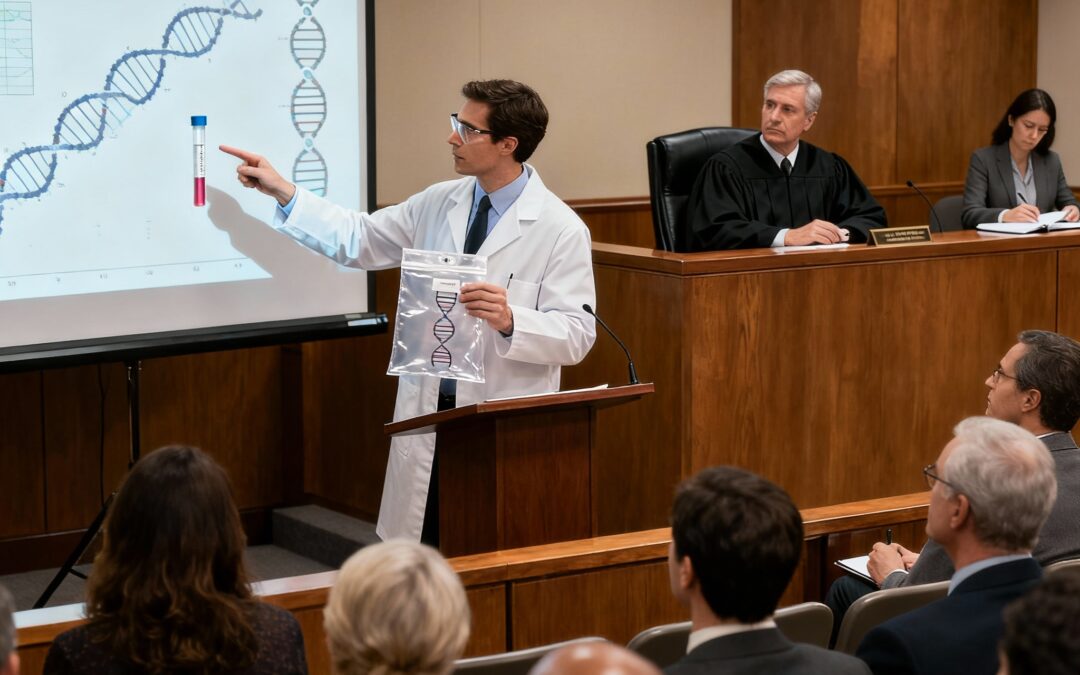
Forensic evidence must meet strict standards before it enters court. Rules such as Daubert and Frye guide judges in deciding which evidence is both scientifically sound and relevant. Attorneys rely on expert witnesses—scientists and specialists who explain complex technical findings in plain language—to ensure the jury and judge fully understand what the evidence means.
Expert testimony is a powerful courtroom tool. Experts clarify methodologies, justify results, and help jurors weigh the significance of scientific findings. Well-prepared experts support legal arguments during direct and cross-examination, reinforcing the reliability and impact of forensic science.
Building Strong Legal Arguments
Forensic evidence strengthens legal arguments by providing objective support for claims, timelines, and events. Prosecutors use forensic findings to establish guilt beyond a reasonable doubt, presenting tangible proof that corroborates witness statements or links the accused to the crime. Defense attorneys leverage forensic science to challenge the prosecution’s case, raise doubts about handling or interpretation, and propose alternative theories.
- Demonstrative exhibits—such as charts, reconstructions, and 3D models—make evidence more tangible for the jury.
- Rigorous chain of custody documentation bolsters the authenticity of physical and digital evidence.
- Expert reports add technical depth and reinforce courtroom strategy.
Challenging Forensic Evidence
Opposing counsel may challenge forensic evidence by questioning methodology, handling, and interpretation. Defense attorneys highlight human errors, contamination risks, or the limitations of certain tests. They may call their own experts to dispute findings or propose alternative explanations for the same physical evidence. Legal arguments are strengthened by the ability to scrutinize, interpret, and challenge every piece of forensic data.
Real-Life Impact
Forensic science has led to historic exonerations and convictions. DNA evidence has freed the wrongly accused and provided closure in cold cases; digital forensics have exposed financial crimes and cyberattacks. Well-presented forensic evidence can make the difference between guilt and innocence, liability and dismissal, shaping the course of justice.
Forensic Evidence and Justice
Ultimately, integrating forensic evidence into legal strategies helps ensure fair and accurate verdicts. It bridges the gap between speculation and fact, allowing judges and juries to make decisions based on objective proof rather than unreliable memory or hearsay. Attorneys who understand forensic science—and know how to present and challenge it—consistently craft stronger, more convincing legal arguments.